

Yacht Armor and Ceramic Coating Services in Palm Beach
Yacht Armor and ceramic coating services in Palm Beach help protect boats and yachts from UV exposure, salt, staining, oxidation, and day-to-day wear.
or Call Us at: 954 8069934
Why Palm Beach Boats Need Advanced Surface Protection
If your boat lives in Palm Beach conditions, surface protection is not optional for long. Sun, salt, wash cycles, fish blood, dock contact, and airborne contaminants start working on the finish immediately. The result is familiar: fading gelcoat, more aggressive cleaning, longer washdowns, and more money spent fixing the same high-wear areas over and over.
That is exactly where Yacht Armor and ceramic coating Services in Palm Beach make sense. This page explains what each system does, where each one performs best, and how to choose the right protection strategy for your hull, brow, cockpit, transom, or topsides. If your goal is easier maintenance and longer-lasting finish preservation, this is the practical breakdown.
Ready to protect the right surfaces the right way? Schedule a consultation →
Why Palm Beach boats need more than routine detailing
Palm Beach boats often need more than wash-and-wax maintenance because marine UV, salt exposure, and repeated use accelerate surface wear faster than temporary protection systems can handle.
That is why owners looking beyond short-term shine often move toward film or ceramic systems instead of relying only on polishing cycles.
Traditional detailing still matters. Washing, decontamination, oxidation correction, and polishing are the foundation of any good protection strategy. But once those surfaces are restored, you still need something that preserves the result. That is the gap Yacht Armor and Glidecoat are built to fill: one adds a physical sacrificial barrier, the other adds a bonded surface layer that improves cleanability, gloss, and UV resistance.
From a commercial-intent perspective, most Palm Beach owners are not asking whether protection is useful. They are asking which system is appropriate for their boat, how long it lasts, and whether it reduces future labor. Those are the questions this page is built to answer.
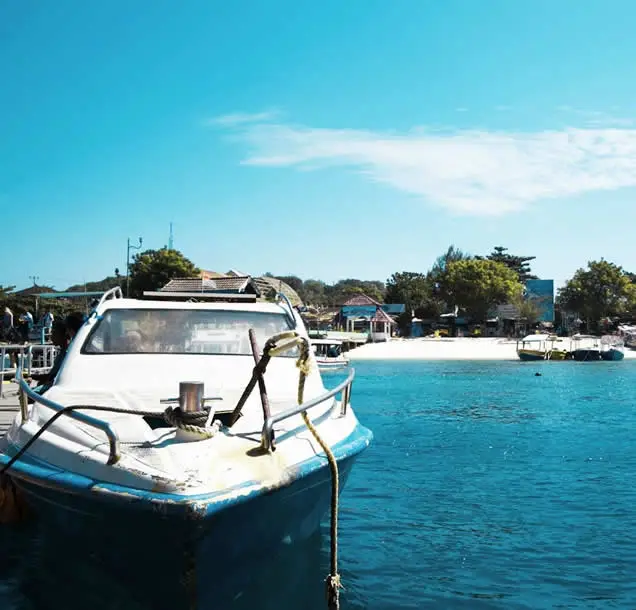
Premium Protection for Palm Beach Boats

Long-Term Surface Protection
Yacht Armor marine protection film creates a durable barrier that helps protect high-impact areas from scuffs, abrasion, UV exposure, and everyday marine wear.

Easier Cleaning & Maintenance
Professional marine ceramic coatings create a hydrophobic surface that repels water, salt, and contaminants, helping your boat stay cleaner and reducing wash time.

UV & Oxidation Defense
Palm Beach sun exposure accelerates gelcoat fading and oxidation. Advanced protection systems help preserve gloss, reduce oxidation risk, and maintain the appearance of your vessel longer.
Where Yacht Armor makes the biggest difference
Yacht Armor is most compelling in zones that are repeatedly exposed to physical contact or concentrated UV. Official Yacht Armor materials position the product as a marine protection film built to handle oxidation, fish blood, scuffs, swirls, marring, and light scratches. Their own FAQ says the film typically lasts 5 to 7 years with proper maintenance and care.
Typical high-value film areas include:
- bows and brows on sportfishing yachts,
- cockpit edges and transom corners,
- gunwales and boarding zones,
- hull sections prone to fender contact,
- other high-traffic or high-exposure surfaces.
A Yacht Armor blog post focused on sportfishing yacht brows highlights a useful real-world point: some boat surfaces take far more direct heat and sun than others, so strategic film placement can be more valuable than trying to cover everything equally. The brow, for example, is described as a high-heat, high-UV area where owners often want protection without repainting.
What Glidecoat is designed to improve
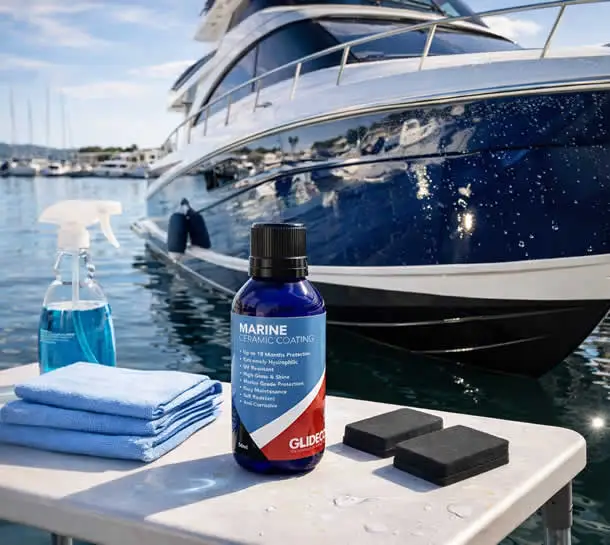
Glidecoat positions its marine ceramic coating around three major gains:
- easier cleaning,
- better gloss and surface smoothness,
- better resistance to contamination and weathering.
Their professional coating page states that treated surfaces become “hydrophobic and super smooth,” which helps dirt, salt, and fish blood rinse away because contaminants do not absorb into the surface as easily. Their training manual also describes UV reflection, lower maintenance, and no need for waxing once properly coated.That makes ceramic coating especially attractive for Palm Beach owners who are tired of repeated polishing cycles and want to reduce routine labor. It is not a replacement for physical impact protection, but it is a strong maintenance-reduction system when the surface has been corrected properly first.
Why prep determines ceramic performance
The part most buyers underestimate is preparation. Ceramic coating is only as good as the surface under it. If the gelcoat is oxidized, chalky, stained, or poorly corrected, the coating will lock in those visual defects rather than magically solve them.
That is why the correct order matters:
- wash and decontaminate,
- correct oxidation or haze,
- refine gloss,
- apply the coating,
- follow the maintenance plan.
This is one of the clearest lines between average and premium service. A quick coating job over tired surfaces may still bead water, but it will not deliver the visual or long-term value serious owners expect.
See how this would work on your boat’s finish and maintenance routine

Protect and Enhance Your Yacht Today
You’ve seen what each system does—now get a protection plan tailored to your boat, usage, and wear zones.
What Yacht Armor and ceramic coating actually do
Yacht Armor and ceramic coating solve different surface-protection problems. Yacht Armor is a marine protection film designed to shield against scrapes, scuffs, swirls, marring, oxidation, and light scratches in marine use, while Glidecoat’s professional ceramic coating is designed to make surfaces hydrophobic and smoother so contaminants such as dirt, salt, and fish blood rinse away more easily.
That distinction matters because many buyers compare them as if they were interchangeable. They are not. Film is a physical protection system. Ceramic is a bonded surface-enhancement and maintenance-reduction system. If your boat suffers from repeated contact in high-wear zones, film is often the better answer. If your primary goal is easier maintenance and longer-lasting gloss across visible surfaces, ceramic coating is often the better fit.
In practice, the strongest solution on premium boats is often a hybrid strategy. High-contact zones get film. Broader visible areas get ceramic coating. That approach lets each product do what it is built to do instead of forcing one system to solve the wrong problem.
Yacht Armor installer Palm Beach
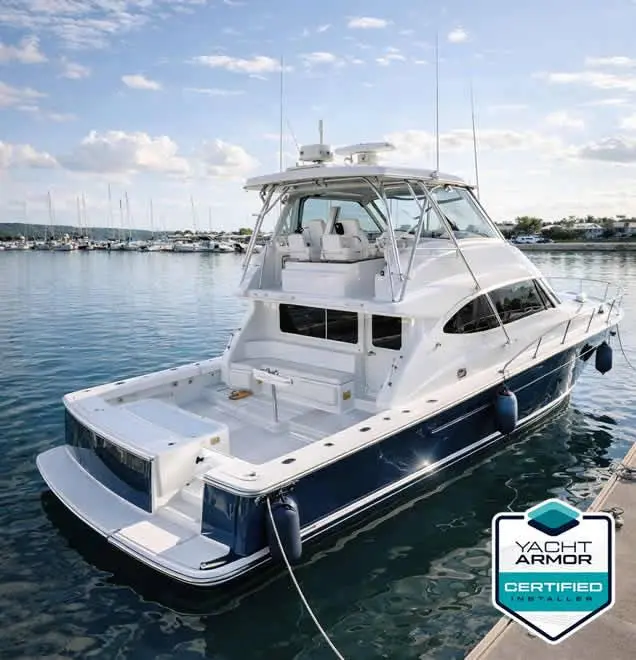
A Yacht Armor installer in Palm Beach should be evaluated on certified installation, surface preparation quality, and an understanding of where marine film creates the most value on a real boat. Yacht Armor’s official materials state that lifespan depends heavily on environment, maintenance, and application quality, and they specifically point buyers toward certified installers for better adhesion and longer-lasting performance.
Boat protection film Palm Beach
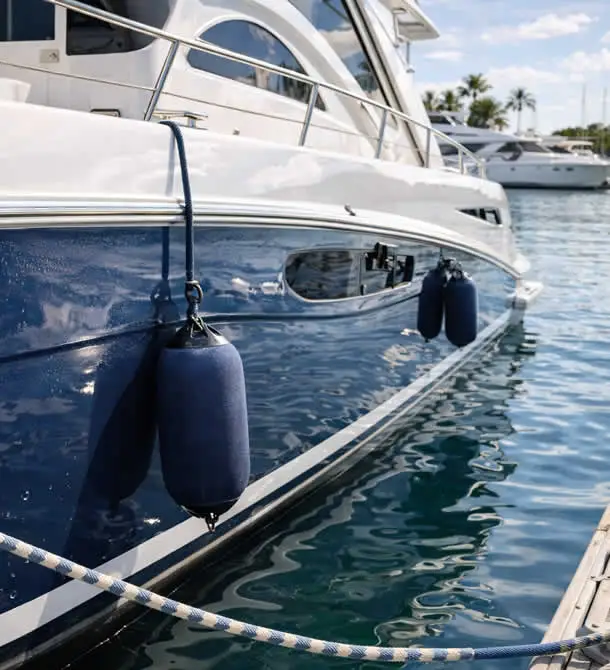
Boat protection film in Palm Beach is the right solution when the main threat is abrasion, repeated contact, or concentrated wear rather than only oxidation or water spotting. In other words, if the surface is getting hit, rubbed, or stressed physically, film should be part of the conversation before coating alone.
The easiest mistake to make is choosing a product based only on what sounds premium instead of what problem you are actually trying to solve. A ceramic-coated bow can still get scuffed. A protected gunwale can still need regular cleaning if it is not coated. The right choice depends on the damage pattern.
Best-use scenarios for film
Film usually makes the most sense when you want to protect:
- contact-prone boarding zones,
- fender-rub areas,
- brows with relentless heat exposure,
- sportfishing work zones,
- sections exposed to repeated deck gear and traffic.
Yacht Armor’s own content around sportfishing brow protection supports this practical way of thinking: choose film where repainting or repeated correction would otherwise become routine.
Film and ceramic are stronger together
A common premium setup is:
- Yacht Armor film on the highest-risk contact areas,
- Glidecoat ceramic coating across the visible surfaces where gloss, hydrophobic behavior, and easier maintenance matter most.
That combination is often more efficient than trying to overuse one system everywhere. It also gives owners a more rational return on investment because each square foot is protected according to how it is actually used.
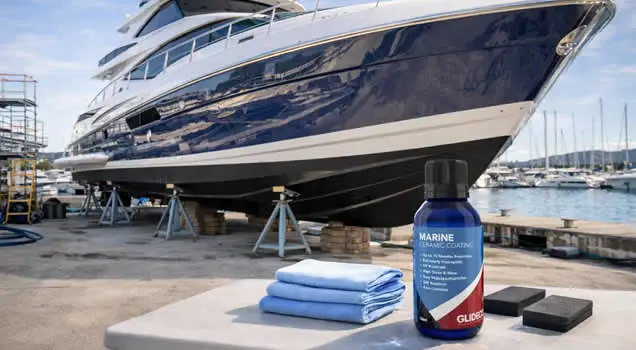
Ready to protect and elevate your yacht?
To map your wear zones, compare film vs coating, and get a Palm Beach protection plan built around how your boat is actually used.
Which protection system is right for your boat?
The right protection system depends on how your boat is used, where it wears fastest, and what you are trying to reduce: impact damage, oxidation, wash time, or all three. Choosing by product category alone is less effective than choosing by problem pattern.
Choose Yacht Armor when:
- the boat has repeated contact points,
- you want a sacrificial barrier in high-wear zones,
- you want longer-term physical protection from abrasion,
- repainting or repeated correction in those areas feels wasteful.
Choose ceramic coating when:
- the main goal is easier cleaning and stronger gloss retention,
- the boat already looks good and you want to preserve it,
- UV exposure and contamination are the main issue,
- you want to reduce the need for repeated waxing.
Choose both when:
- you own a premium vessel,
- the boat has both show surfaces and heavy-use zones,
- you want a long-term maintenance strategy rather than one temporary cosmetic fix.
This is where a consultation adds real value. A technician who understands both systems can match the product to the use case instead of defaulting to a one-size-fits-all package.
What a premium installation process should include
A premium installation process should always include inspection, surface preparation, system recommendation, installation, and aftercare guidance. The biggest failure point in both film and ceramic work is not usually the material itself. It is poor prep, poor product fit, or weak aftercare.
A strong Palm Beach service workflow typically includes:
- Surface evaluation and wear-zone mapping
- Wash and decontamination
- Oxidation removal and finish correction where needed
- Product recommendation by zone
- Film installation and/or ceramic application
- Cure-time guidance and maintenance instructions
Yacht Armor’s official maintenance information notes that the film takes 30 days to fully cure and that basic wash care and drying are recommended, while Glidecoat’s training materials emphasize maintenance washing intervals and avoiding unnecessary contamination buildup.
Visual suggestions
For this landing page, the strongest visuals would be:
- a side-by-side graphic: film vs ceramic coating,
- a yacht diagram highlighting high-wear vs high-visibility zones,
- a before/after brow or hull-side case image,
- a three-step visual showing correct → protect → maintain.

FAQ
Yacht Armor’s official FAQ says the film typically lasts 5 to 7 years with proper maintenance and care. The same materials say lifespan depends on UV exposure, maintenance, usage, and application quality.
Yes. Official Yacht Armor guarantee pages state a 3-year limited warranty against cracking, bubbling, and yellowing when installed through certified channels under the stated terms.
Glidecoat’s marine ceramic coating is designed to make marine surfaces hydrophobic and smooth, which helps contaminants such as dirt, salt, and fish blood rinse away more easily. It is positioned as a gloss-enhancing, maintenance-reducing, UV-resistant marine coating.
Neither is universally better because they solve different problems. ceramic coating improves gloss, wash efficiency, and UV performance, while Yacht Armor provides a physical protective layer against abrasion and wear.
Marine protection film usually makes the most sense on high-contact and high-wear areas first, such as gunwales, transom corners, boarding zones, and exposed brows. Those areas see the fastest return because they are the hardest to keep pristine through detailing alone.
Glidecoat’s training materials state that once the professional ceramic coating is properly applied, waxing is no longer required, which is one of the main maintenance advantages they promote.
Yacht Armor’s official maintenance guidance says the film takes about 30 days to fully cure, and owners should expect some temporary settling during that period. Their guidance also recommends pH-neutral washing and regular drying for ongoing care.
Key Takeaways / Summary
- Yacht Armor and ceramic coating services in Palm Beach solve different protection problems and often work best together.
- Yacht Armor is positioned as a marine protection film with a typical 5–7 year lifespan under proper maintenance and care.
- Glidecoat is positioned as a hydrophobic marine ceramic coating that improves gloss, reduces contaminant adhesion, and lowers maintenance effort.
- High-wear contact zones usually benefit most from film, while broad visible surfaces often benefit most from ceramic coating.
- Preparation quality is the hidden factor that most strongly affects both appearance and durability.
- A premium Palm Beach strategy often combines both systems instead of forcing one product to do everything.
You’ve seen what each system does—now get a protection plan tailored to your boat, usage, and wear zones. Schedule a consultation →