Essential Boat Maintenance Guide for Every Boat Owner
Few boat-care solutions deliver long-lasting protection like ceramic coatings or marine protection films.
- Introduction to Boat Maintenance
- What Is Boat Maintenance?
- Why Boat Maintenance Matters
- Understanding Surface Degradation (Inspired by Yacht Armor™ Methodology)
- High-Exposure Areas: Real-World Example (Sportfishing Yacht Brows)
- Exterior Boat Wash Routine
- Interior Boat Cleaning
- Hull Cleaning (Essential for Performance)
- Mechanical and Engine Maintenance
- Protection: Ceramic Coating vs Marine Film
- How Much Is Ceramic Coating Price?
- Marine Protection Film (Inspired by Yacht Armor™)
- Advanced Boat Maintenance Tasks
- Preventative Boat Maintenance Checklist
Boat maintenance includes routine cleaning, hull care, engine checks, corrosion prevention, and protective treatments like ceramic coatings or marine surface films. Proper maintenance keeps your vessel reliable, prevents UV and saltwater damage, and reduces long-term repair costs. Understanding how to clean, inspect, and protect your boat is essential for keeping it in top condition year-round.
Introduction to Boat Maintenance
Boat maintenance is one of the most important responsibilities of boat ownership, and one of the most misunderstood. In Florida and other coastal regions, the combination of UV exposure, saltwater, humidity, marine growth, and heat accelerates wear on gelcoat, mechanical systems, upholstery, and exposed surfaces. Neglecting maintenance can quickly turn into costly repairs, dull gelcoat, or structural degradation.
This complete guide breaks down everything you need to know about boat maintenance, including boat cleaning services, hull maintenance, boat wash routines, ceramic coating price ranges, and the emerging category of long-term marine protection films used by professionals. Drawing from hands-on experience and real-world applications, such as protecting the brow of high-end sportfishing yachts, this guide helps you understand exactly how to keep your boat performing and looking its best.

What Is Boat Maintenance?
Boat maintenance refers to routine and scheduled tasks that protect the vessel’s structure, appearance, performance, and mechanical reliability.
Core Areas of Maintenance (Definitions)
- Exterior Care: Washing, waxing, ceramic coating, marine film
- Interior Care: Vinyl, upholstery, mold, sanitation
- Hull Care: Hull cleaning, barnacle removal, anti-fouling
- Mechanical Care: Engine service, oil changes, electrical checks
- Surface Protection: UV defense, oxidation prevention, gelcoat health
Boat maintenance is both preventive and corrective, depending on vessel condition.
Why Boat Maintenance Matters
Maintenance prevents corrosion, reduces engine wear, preserves gelcoat, improves performance, and extends vessel lifespan.
Environmental Dangers for Boats
Florida-style marine conditions cause accelerated damage:
- UV radiation weakens gelcoat and causes fading
- Saltwater causes corrosion on metal and fittings
- Marine growth increases drag and reduces fuel efficiency
- Heat and humidity promote mildew inside cabins
- Dock rash & fishing equipment cause scratches
Regular maintenance is significantly cheaper than restoration.
Understanding Surface Degradation (Inspired by Yacht Armor™ Methodology)
Boat surfaces degrade in measurable stages, which helps determine whether you need cleaning, coating, or film protection.
The 3-Tier Surface Condition System (Rewritten, Unique Version)
Tier 1 — Excellent Condition (New or Well-Maintained)
- Minimal oxidation
- Glossy, smooth surface
- No visible UV damage
- Ideal for ceramic coating or protective film installation
Tier 2 — Moderate Wear (Common on Active Boats)
- Light oxidation
- Some dullness on brow, topsides, or transom
- Visible waterline staining
- Needs polishing before ceramic coating or film
Tier 3 — Heavy Damage (Often Neglected Areas)
- Severe oxidation
- Chalking or pitting
- Brow damage from sun exposure
- Deep stains in non-skid or hull
- Requires multi-stage correction
This tiered system helps owners make informed choices and sets realistic expectations for cost and results.

High-Exposure Areas: Real-World Example (Sportfishing Yacht Brows)
Some areas of a boat deteriorate faster than others due to angle, heat, and UV concentration, especially the brow on sportfishing yachts.
Why Brows Get Destroyed Faster:
- Steep angles receive direct overhead sun
- Heat reflects from the water and deck
- Areas remain hotter for longer periods
- Spray hits the brow during fishing runs
- Frequent wiping causes micro-abrasions
On many sportfishing vessels, the brow becomes the first surface to fade, oxidize, or yellow.
Modern Maintenance Solution
Long-term protection films (like Yacht Armor™ MPF) and higher-grade ceramics can significantly slow brow deterioration, extending the life of the gelcoat and improving resale value.

Exterior Boat Wash Routine
A proper boat wash prevents oxidation and salt buildup, preserving gelcoat integrity.
Steps for an Effective Boat Wash:
- Rinse entire boat with fresh water
- Apply marine-safe soap
- Clean non-skid areas
- Use vinyl-safe cleaners
- Rinse thoroughly
- Dry with microfiber towels
- Apply wax or spray sealant (optional)
A high-quality boat wash extends the lifespan of any coating or film.
Interior Boat Cleaning
Interior maintenance prevents mold, mildew, odors, and fabric deterioration.
Interior Care Includes:
- Vinyl & upholstery cleaning
- Head and galley sanitation
- Mold/mildew treatment
- Cabin vacuuming
- Carpet cleaning
- Odor elimination
Proper airflow is essential to preventing moisture buildup.
Hull Cleaning (Essential for Performance)
Hull cleaning removes marine growth, restores smoothness, and improves speed and fuel efficiency.
Why Hull Cleaning Matters:
- Drag increases by 10–40% with marine growth
- Fuel consumption rises significantly
- Running gear suffers corrosion
- Waterline scum damages gelcoat
Professional hull cleaning is recommended monthly or bi-monthly for in-water boats.

Mechanical and Engine Maintenance
Engine maintenance includes oil changes, flushing, battery checks, and inspections to prevent breakdowns.
Key Tasks:
- Oil & filter changes every 100 hours
- Battery testing
- Fuel system inspection
- Propeller checks
- Bilge pump tests
- Electrical inspection
Engine neglect is the #1 cause of breakdowns at sea.
Keep Your Boat Pristine and Protected
Our marine experts will assess high-exposure areas, hull, and interior, recommending the best cleaning, coatings, or protection films to extend your boat’s life.
Protection: Ceramic Coating vs Marine Film
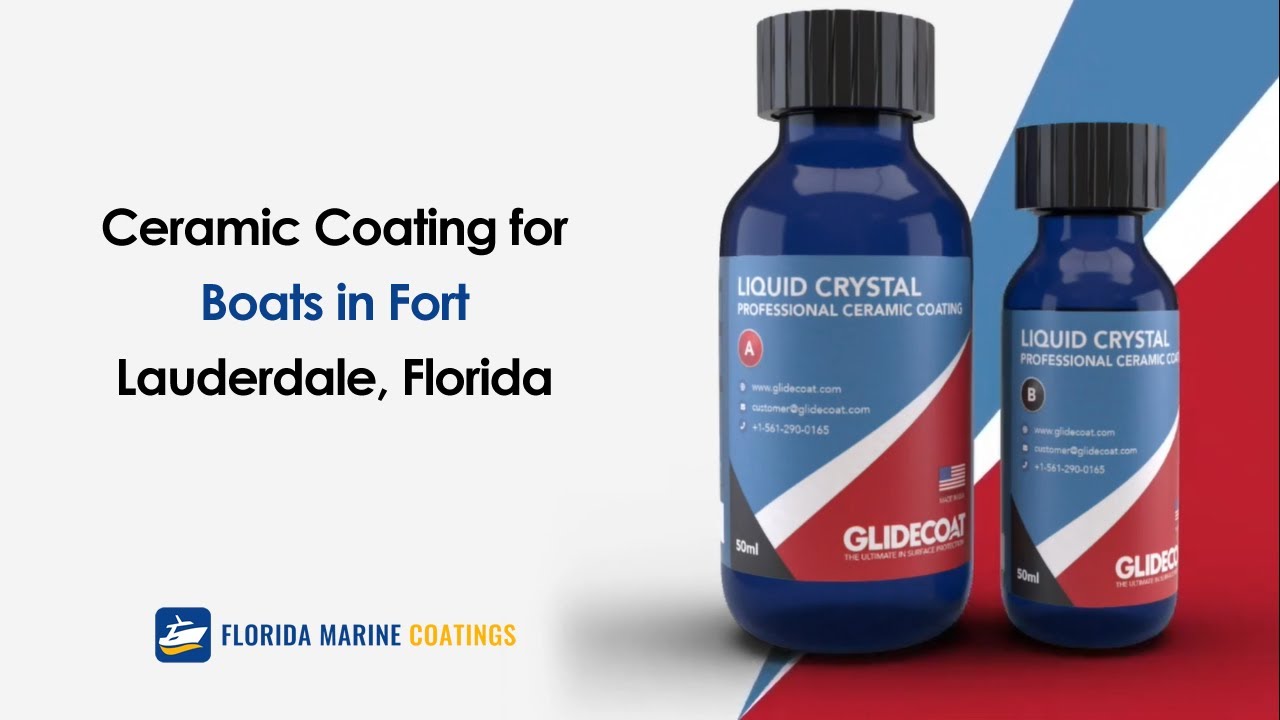
Ceramic coating provides 12–24 months of UV defense and gloss, while marine protection film offers 5–7 years of scratch, UV, and impact resistance.
Ceramic Coating for Boats
Benefits:
- Deep gloss
- Hydrophobic surface
- UV & oxidation protection
- Easier cleaning
- Reduces washing time by 50–70%
Perfect for new or well-maintained surfaces.
How Much Is Ceramic Coating Price?
Ceramic coating cost varies based on vessel size, surface condition, and the type of marine protection selected.
| Feature | Ceramic Coating | Yacht Armor™ Film |
|---|---|---|
| UV Protection | Good | Excellent |
| Scratch Resistance | Light | High — Self-Healing |
| Gloss Enhancement | Very High | High |
| Durability | Up to 18 Months | 5–7 Years |
| Maintenance | Re-coating required | Minimal maintenance |
| Strength | Moderate | 3× stronger than ceramics |
| Ideal For | Seasonal shine, short-term | Long-term protection, high-exposure surfaces |
Marine Protection Film (Inspired by Yacht Armor™)
Marine protection film is a clear, self-healing, UV-resistant layer that protects gelcoat for 5–7 years.
Why Many Owners Choose Film:
- 3× stronger than ceramic coatings
- Self-healing when exposed to heat
- Superior UV and brow protection
- Perfect for sportfishing boats and yachts
- Reduces maintenance by 70–90%
Film is especially effective on:
- Brows
- Topsides
- Engine cowls
- Transoms
- Counters
- Screens

Advanced Boat Maintenance Tasks
Some tasks require certified professionals for correct installation, safety, and durability.
Advanced Services:
- Gelcoat repair
- Engine diagnostics
- Electrical system checks
- Corrosion treatment
- Anti-fouling application
- Marine film installation
- Professional-grade ceramic coating
This is where trained and certified experts bring significant value.
Preventative Boat Maintenance Checklist
Monthly:
- Full washdown
- Inspect zincs
- Check battery voltage
- Inspect hull
Every 3–6 Months:
- Wax or ceramic spray top-up
- Hull cleaning
- Vinyl conditioning
Annually:
- Full engine service
- Gelcoat correction
- Ceramic coating application
- Interior deep clean
FAQ
A proper washdown after saltwater use is the most essential step for preventing corrosion and UV damage.
Ceramic coating typically costs $35–$150 per foot, depending on size and oxidation level.
Ceramic: 12–24 months of UV protection and shine.
Film: 5–7 years of UV, scratch, and impact protection.
Every 4–6 weeks for boats stored in water.
Brows receive the most direct sun, heat, and UV exposure, making them the first area to oxidize.
Yes—after professional surface correction.
Absolutely, it reduces maintenance and protects gelcoat significantly better than wax.
Key Takeaways
- Boat maintenance protects performance, safety, and value.
- Hull cleaning, washing, and mechanical service are essential.
- Ceramic coating offers 12–24 months of protection.
- Marine film offers 5–7 years of durability and UV defense.
- High-exposure areas like brows benefit most from protective film.
- Preventative maintenance saves thousands in repairs long-term.

Conclusion
Proper boat maintenance is the difference between a reliable, long-lasting vessel and a prematurely aging one.
By following routine cleaning, consistent hull care, mechanical checks, and investing in protection systems like ceramic coating or marine film, you can dramatically extend your boat’s lifespan while reducing repair costs.
Want expert cleaning, ceramic coatings, or long-term marine protection for your boat?