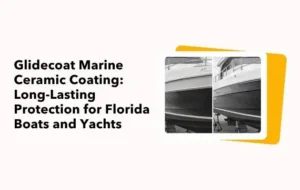
Ceramic Coating for Center Console Boats That Work Hard
Ceramic coating for center console boats is a professional marine protection service that creates a hydrophobic, UV-resistant surface over gelcoat, paint, metal, and other hard marine finishes
- Introduction: Ceramic Coating for Center Console Boats
- Center Console Boat Ceramic Coating
- Marine Ceramic Coating for Fishing Boats
- Why Surface Preparation Matters for Ceramic Coating for Center Console Boats
- What Ceramic Coating for Center Console Boats Does Not Do
- Where Ceramic Coating for Center Console Boats Delivers the Most Value
- Maintenance After Ceramic Coating for Center Console Boats
- FAQ: Ceramic Coating for Center Console Boats
- Key Takeaways: Ceramic Coating for Center Console Boats
- Conclusion: Ceramic Coating for Center Console Boats
- Ready to keep your vessel protected and looking its best?
Introduction: Ceramic Coating for Center Console Boats
Center console boats work harder than many recreational vessels. They run offshore, sit under strong sun, carry fishing gear, handle salt spray, and often deal with fish blood, sunscreen, fuel residue, and constant washdowns. Over time, those conditions dull gelcoat, create oxidation, stain surfaces, and make routine cleaning more difficult.
That is why ceramic coating for center console boats has become a smart protection option for owners who want a cleaner, glossier, easier-to-maintain finish. This page explains what ceramic coating does, where it performs best, what it does not do, and why proper prep is the real difference between average results and long-term value.
Center Console Boat Ceramic Coating
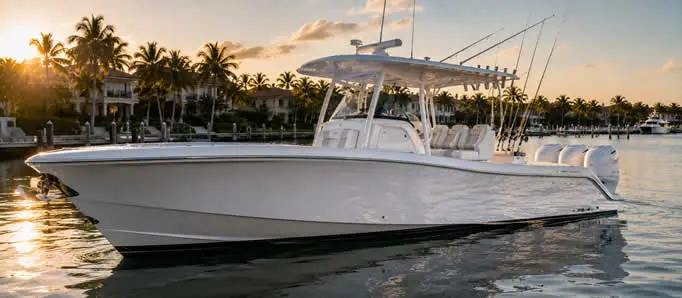
Center console boat ceramic coating is designed to protect high-use marine surfaces from salt, UV exposure, oxidation, staining, and routine contamination. Unlike wax, which wears away quickly, a professional marine ceramic coating bonds to the surface and creates a slicker, easier-to-clean finish.
Center consoles benefit from ceramic coating because they are exposed on every side. The hull, console, T-top supports, leaning post, transom, gunwales, livewell areas, and cockpit surfaces all face constant wear.
Key Benefits
- Easier salt removal
- Better gloss retention
- Reduced oxidation risk
- Faster washdowns
- Improved surface slickness
- Protection for gelcoat, paint, glass, and polished metals
Glidecoat states that its marine ceramic coating uses nano-technology and polymers to fill microscopic pores and scratches in marine gelcoat, paint, and polished metal, creating a hydrophobic surface that helps dirt, salt, and fish blood rinse away more easily.
Best Areas to Coat on a Center Console
The most valuable areas for ceramic coating usually include:
- Hull sides
- Console exterior
- Transom surfaces
- T-top frame and hardtop
- Gunwales
- Leaning post areas
- Non-slip-adjacent smooth surfaces
- Stainless and polished metal accents
The goal is not to coat everything blindly. The goal is to protect the surfaces that receive the most sun, salt, and cleaning stress.
Marine Ceramic Coating for Fishing Boats
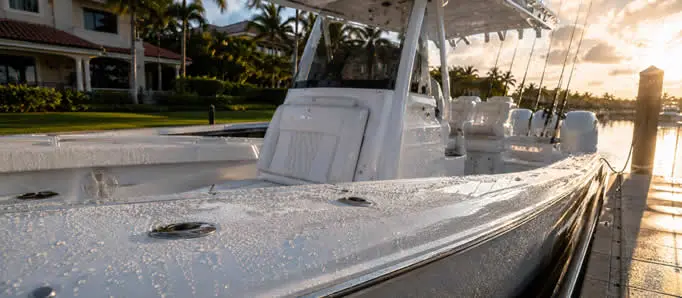
Marine ceramic coating for fishing boats is especially useful because fishing vessels deal with more aggressive contamination than casual cruisers. Fish blood, bait residue, salt spray, sunscreen, exhaust residue, and frequent deck washdowns create a demanding environment for gelcoat and painted finishes.
A center console used for offshore fishing often needs stronger protection than a lightly used day boat. The coating helps reduce how strongly contaminants bond to the surface, which means owners and crews can clean faster without relying on aggressive chemicals or heavy scrubbing.
Why Fishing Boats Need Different Protection
Fishing boats often face:
- Fish blood and organic residue
- Constant salt spray
- UV exposure from full-day offshore trips
- Rod holder and gear contact
- Bait stains
- Frequent washdowns
- Water spotting
Glidecoat’s case study on a 38-foot Scout notes that ceramic coatings help protect boat surfaces from harsh elements, repel UV rays, and prevent salt and acid rain from penetrating pores; it also describes the coated surface as highly hydrophobic, allowing salt, dirt, and fish blood to rinse away.
Ceramic Coating vs Wax for Center Consoles
| Feature | Marine Wax | Ceramic Coating |
|---|---|---|
| Main Purpose | Short-term shine | Longer-term surface protection |
| Salt Resistance | Limited | Stronger |
| Washdown Ease | Moderate | High |
| UV Support | Basic | Stronger |
| Reapplication | Frequent | Less frequent |
| Best For | Light seasonal care | Active center console use |
Wax still has a place for short-term maintenance, but active fishing boats usually benefit more from a properly installed ceramic system.

Why Surface Preparation Matters for Ceramic Coating for Center Console Boats
Ceramic coating only performs well when the surface underneath is clean, corrected, and properly prepared. If oxidation, chalking, water spots, or embedded contamination remain under the coating, those defects can become locked into the finish.
Professional prep usually includes:
- Marine-safe wash
- Decontamination
- Oxidation removal
- Polishing or surface refinement
- Final wipe-down
- Ceramic coating application
- Cure and inspection
Glidecoat’s application process describes washing the boat first to remove dirt, oils, and salt buildup, then buffing with compound to remove oxidation before coating.
What This Means for Owners
The coating is not a shortcut around proper surface restoration. Ceramic coating should only be applied after oxidation, staining, and surface imperfections have been professionally corrected.
You have seen how ceramic coating helps protect center console boats from salt, UV exposure, and hard-use conditions.
What Ceramic Coating for Center Console Boats Does Not Do
Ceramic coating is not impact protection. It will not stop dock rash, deep scratches, gouges, or damage from heavy gear contact.
Ceramic coating is best for:
- UV support
- Hydrophobic performance
- Easier cleaning
- Gloss preservation
- Salt and grime resistance
It is not best for:
- Impact resistance
- Fender rub protection
- Deep scratch prevention
- Structural protection
- Replacing proper washing
Ceramic coating protects against UV exposure, oxidation, salt, and contaminants, while Yacht Armor marine protection film protects high-impact areas from dock rash, abrasion, and physical damage. Together, they provide a comprehensive exterior protection system for center console boats.
Where Ceramic Coating for Center Console Boats Delivers the Most Value
Ceramic coating delivers the most value on center console boats that are used often, stored outdoors, or exposed to saltwater frequently. The more often the boat is washed, exposed, and cleaned, the more useful the coating becomes.
Strong Use Cases
Ceramic coating is a smart fit when:
- The boat is used weekly or monthly
- The vessel is stored outside or at a marina
- The owner wants faster washdowns
- The gelcoat has recently been corrected
- The boat sees frequent saltwater use
- The owner wants better resale presentation
Lower-Value Use Cases
It may be less urgent when:
- The boat is stored indoors most of the year
- The vessel is rarely used
- The finish is heavily oxidized and not being corrected
- The owner needs physical impact protection rather than surface protection. In those situations, Yacht Armor marine protection film may be the better solution.
The best decision depends on how the boat is used, not just how new or expensive it is.
Maintenance After Ceramic Coating for Center Console Boats
Ceramic coating significantly simplifies routine maintenance, although periodic rinsing and proper care are still necessary to maximize coating performance and longevity.
A practical maintenance routine includes:
- Rinse with fresh water after saltwater use
- Use pH-neutral marine soap
- Avoid abrasive brushes on coated surfaces
- Remove fish blood and sunscreen quickly
- Dry visible surfaces to reduce water spotting
- Schedule periodic coating inspections
BoatUS advises rinsing boats with fresh water after use and using boat soaps carefully to avoid unnecessary harsh cleaning practices.
Why Maintenance Still Matters
A coating’s value depends on care. If salt, fish blood, and grime sit too long, the coating still has to work harder. Consistent light maintenance usually protects better than occasional aggressive cleaning.

Suggested Visual Elements
Use these visuals to improve engagement and conversion:
- Before-and-after gelcoat correction image
- Water-beading close-up on a coated center console
- Diagram showing best coating areas: hull, console, transom, T-top, gunwales
- Fishing boat surface protection comparison: ceramic-coated vs unprotected hull
- Short video showing salt rinsing off a ceramic-coated hull
FAQ: Ceramic Coating for Center Console Boats
Yes. Ceramic coating is worth it for center console boats when the owner wants easier washdowns, stronger gloss retention, and better resistance to salt, UV exposure, and fishing-related contaminants.
Lifespan depends on coating system, prep quality, exposure, and maintenance. Many professional marine ceramic coatings are designed for longer performance than wax, but results vary based on how the boat is used and cared for.
Ceramic coating helps slow oxidation by adding a protective surface layer, but it does not stop aging forever. Oxidation should be corrected before coating for best results.
Ceramic coating helps fish blood and organic residue rinse away more easily because contaminants do not bond as strongly to the coated surface. It still should be cleaned promptly after use.
Yes. Many marine ceramic coating systems can be applied to polished metals, including stainless steel and similar hard marine surfaces. Glidecoat references gelcoat, marine paint, and polished metals as coating surfaces.
For active fishing boats, ceramic coating generally provides superior long-term surface protection compared to traditional marine wax. It offers stronger hydrophobic performance, improved UV resistance, and better protection against saltwater contamination.
Ceramic coating significantly reduces the effort required to maintain marine surfaces, but regular freshwater rinsing and proper marine-safe cleaning are still recommended to preserve maximum performance.
Yes, new center console boats are strong candidates because the finish is easier to protect before oxidation develops. New boats still need proper prep before coating.
Key Takeaways: Ceramic Coating for Center Console Boats
- Ceramic coating for center console boats helps protect gelcoat, paint, metal, and other hard marine surfaces from salt, UV exposure, and contamination.
- Center consoles benefit from ceramic coating because they are heavily exposed and frequently washed.
- Marine ceramic coating helps fish blood, salt, dirt, and grime rinse away more easily.
- Proper surface preparation is essential before coating, especially when oxidation or staining is present.
- Ceramic coating is not impact protection and should not be confused with marine protection film.
- Routine care is still recommended, but ceramic-coated surfaces resist salt, grime, and contaminants more effectively, making ongoing maintenance faster and less demanding.
- The best results come from matching the coating plan to how the boat is actually used.
Conclusion: Ceramic Coating for Center Console Boats
Ceramic coating for center console boats is a practical investment for owners who want easier cleaning, better gloss retention, and stronger protection against the realities of saltwater use. Center consoles work hard, especially fishing boats exposed to sun, spray, bait, blood, and constant washdowns.
Long-term performance depends on proper surface preparation before application. Professional decontamination, oxidation correction, and surface conditioning allow the ceramic coating to achieve maximum adhesion, gloss retention, and long-lasting protection. When installed professionally and maintained consistently, ceramic coating can help preserve your boat’s finish and make ownership easier.
Get a quote today and build a ceramic protection plan tailored to your center console’s surfaces, usage, and maintenance goals.
Ready to keep your vessel protected and looking its best?
Protect your center console before salt, sun, and fish residue wear down the finish.